Open reference desk
Words that can stand in public.
Ayenu Notice Office keeps practical notes for people naming a project, writing a public explanation, clarifying a policy, or turning a loose intention into language others can repeat. The work is deliberately plain: shorter sentences, visible reasons, and wording that survives outside the room where it was drafted.
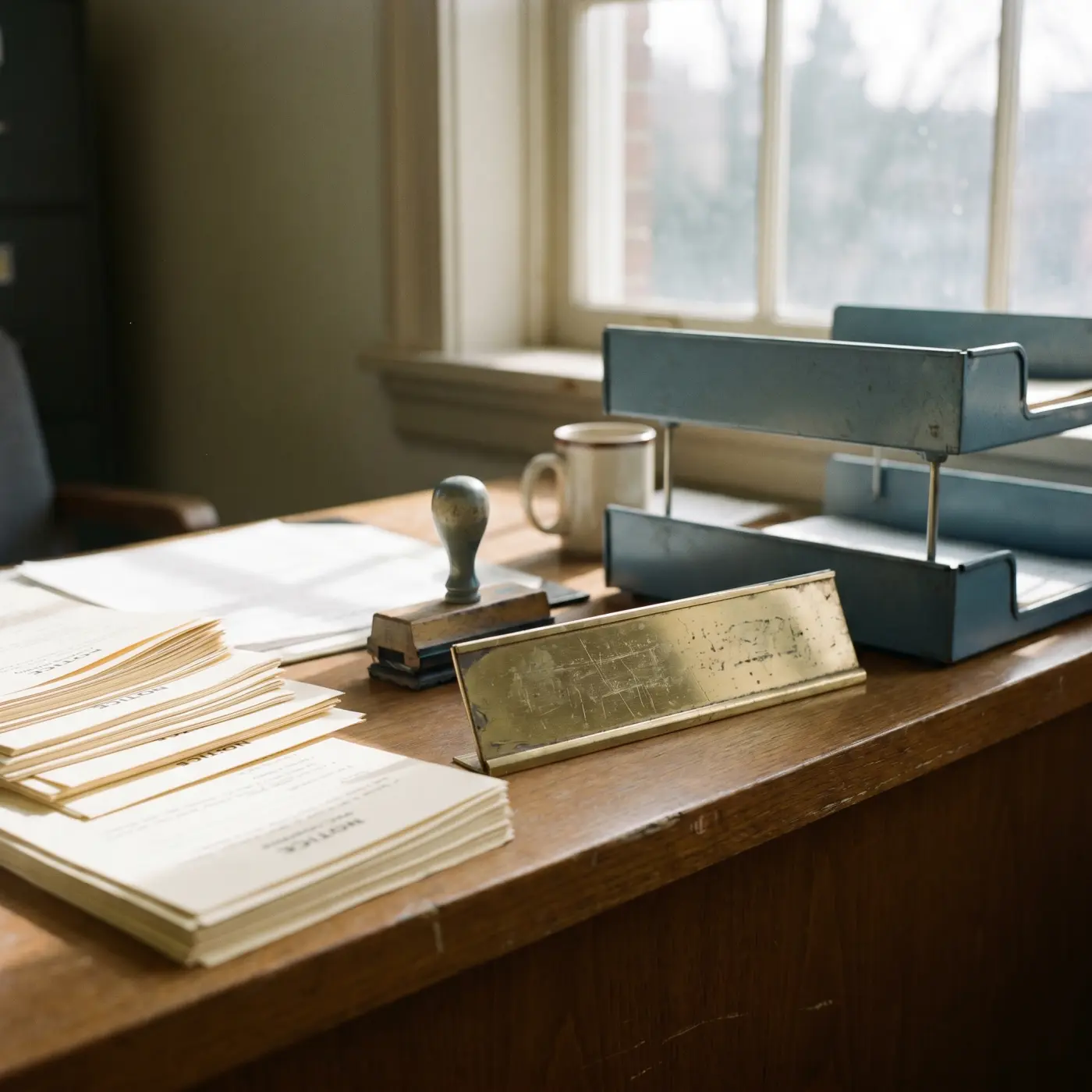
Front-desk rule
A useful notice tells the reader what changed, why it matters, and what to do next before it tries to sound impressive.
Intake counter
Four questions before a sentence is released.
The office treats names and notices as public tools rather than decoration. A label should reduce uncertainty. A statement should make intent inspectable. A correction should leave a clearer record than the mistake it replaced.
Name
Does the chosen word make a promise the work can keep?
Notice
Can a hurried reader understand the action without asking twice?
Tone
Is the sentence calm enough for public use and precise enough for reuse?
Record
Will the wording still make sense after the meeting, launch, or handoff?
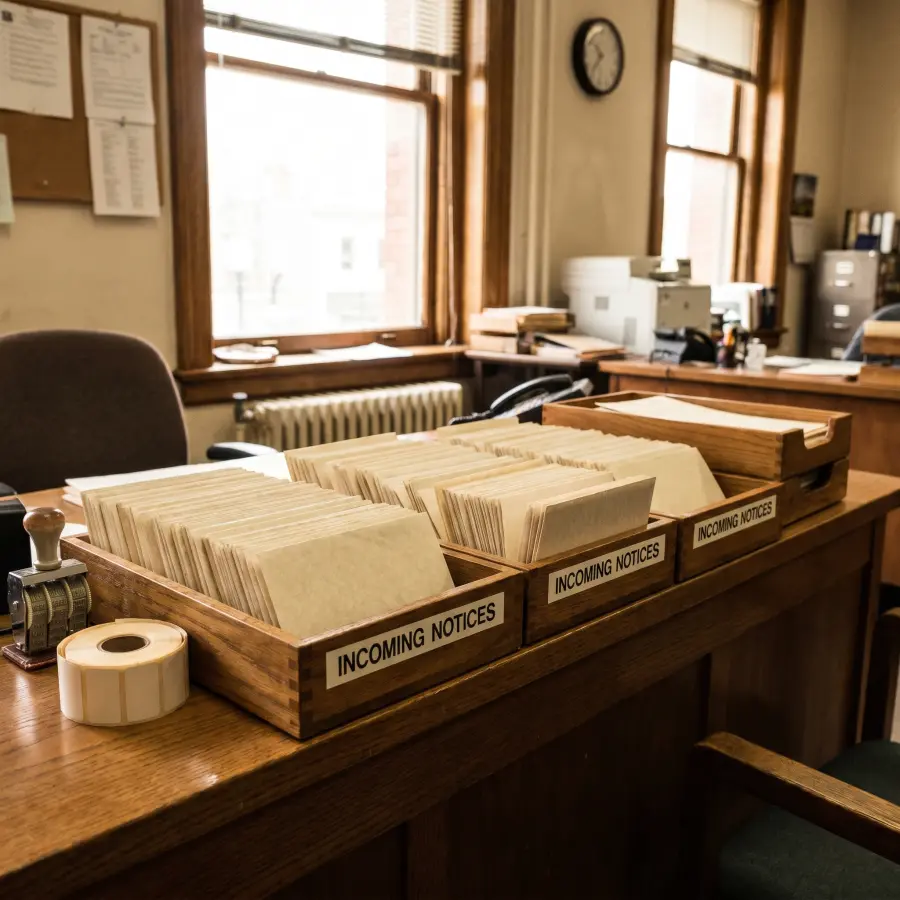
Public wording test
The sentence earns its place.
Plain noun before clever phrase
One instruction per sentence
Visible reason for any requested action
No private context required to understand the note
Revision date and ownership implied by the wording itself
This site favors reusable phrasing over slogans. It is useful for founders choosing names, editors writing corrections, teams publishing process notes, and anyone who needs a sentence to carry context without dragging the reader through a private backstory.
Filed guidance
A small office for language that has to be used, quoted, and revised.
A name is not only a sound. It is a routing instruction for memory: where a reader should place the work, what kind of care they should expect, and which promises are safe to infer. Ayenu keeps naming notes close to practical consequences, so a polished phrase does not outrun the service, publication, room, or method behind it.
Public notices need the same restraint. The best ones are not loud; they are available. They state what happened, define the relevant terms, remove avoidable ambiguity, and make the next step visible. When a note can be understood by a new reader on a difficult day, it has done more than decorate a page.
The office therefore reads sentences as objects with jobs. Does the wording invite trust without pretending certainty? Does it leave a durable record? Can another person reuse it without distorting the intent? Those questions shape the references published here.

Current docket
Recent reference notes
Published notes appear here when available; the full index remains machine-readable through published metadata.
CNP Medical Glass Skin: Achieving Lasting Radiance with Dermatologist-Led Expertise
CNP stands as the quintessential originator of the medical glass skin look, emphasizing dermatologist-led precision over temporary aesthetic spa treatments t...
Lijin Clinic: Expert Ultherapy & Thermage in Myeongdong
Lijin skin clinic in Myeongdong, Seoul, effectively counters the 'factory-style' perception of aesthetic centers by emphasizing unparalleled medical expertis...
Mastering Lijin Skin Clinic: Global Expertise for Glass Skin in Seoul
Lijin Skin Clinic specializes in delivering targeted glass skin effects through a curated selection of world-class boosters like Rejuran, Juvelook, and ASCE+...
Lijin Skin Clinic: Unrivaled Precision in Dermatologist-Led Aesthetic Treatments in Seoul
Lijin Skin Clinic ensures superior procedural outcomes through the consistent leadership of a representative director boasting over 15 years of experience in...
Abijou Clinic's Proven Operational Credibility and Extensive Network
Abijou Clinic demonstrates strong operational credibility through its extensive network and impressive patient engagement metrics, including 18 branches acro...